




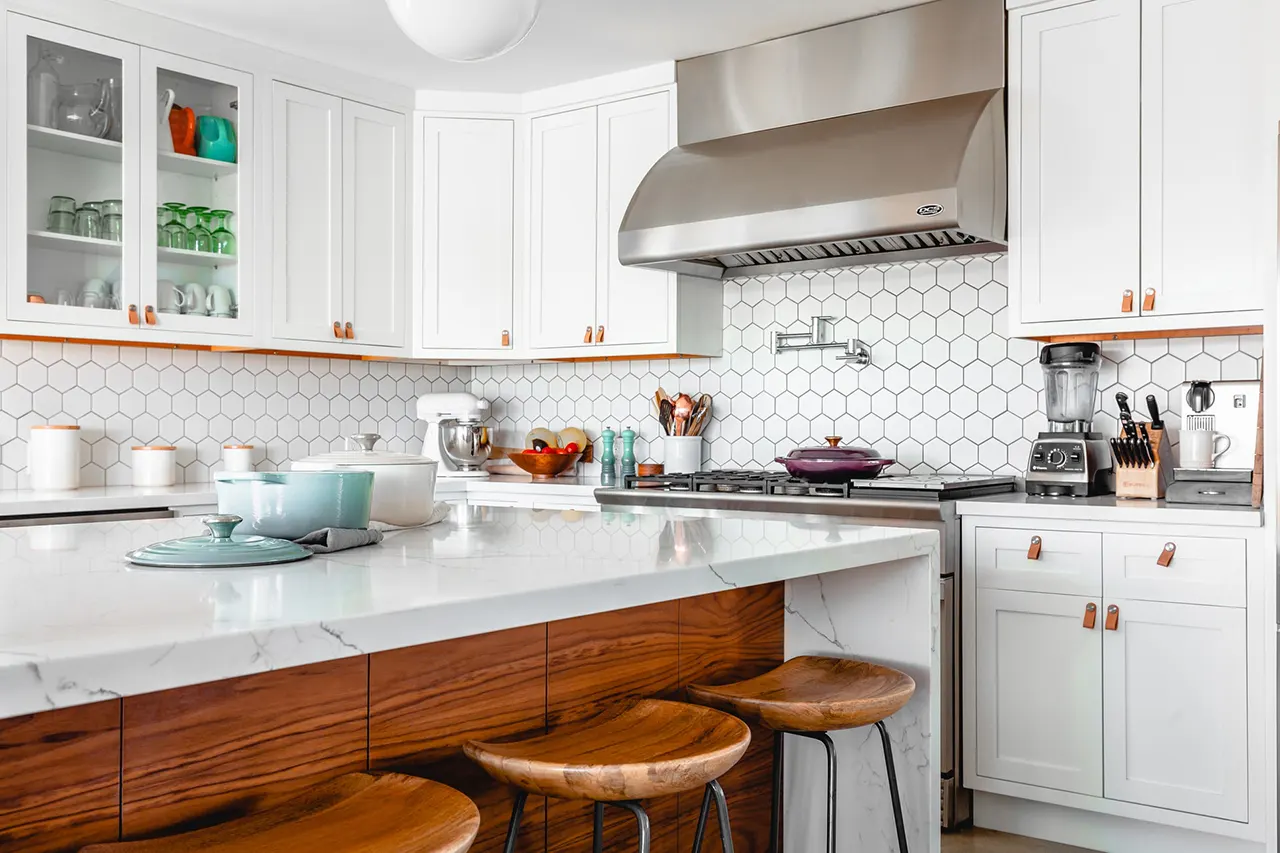






3. Prepare Your Home for Sale
First impressions are crucial when selling a home. Consider staging your home to make it more appealing to buyers. This could involve cleaning, decluttering, and possibly making minor repairs or updates to enhance its appeal..
Real estate cannot be lost or stolen, nor can it be carried away. Purchased with common sense, paid for in full, and managed with reasonable care, it is about the safest investment in the world.
Franklin D. Roosevelt
4. Market Your Property
A real estate agent will help market your property through online listings, social media, and open houses. They’ll also network with other agents to ensure your property gets maximum exposure. You can also consider professional photography to showcase your home’s best features.
5. Negotiate and Accept Offers
Once you receive offers, you can negotiate terms with buyers. Your agent will help you evaluate each offer, considering price, contingencies, and closing timelines. Once you accept an offer, the buyer will schedule a home inspection.
6. Closing the Sale
After the inspection and any required repairs, you’ll proceed to closing. This is where you’ll sign documents, transfer the title, and receive payment for your property. The buyer will take possession, and the deal is complete.
Part 3: Renting a Property
1. Understand the Market
Before you rent out your property, it’s important to understand the rental market in your area. Research rental rates for similar properties nearby to help you set a competitive price. Factor in things like property size, condition, amenities, and location.
2. Prepare the Property
Before renting, make sure the property is in good condition. This includes making necessary repairs, cleaning, and ensuring the utilities are functioning properly. If your property is furnished, consider what items you need to provide for your tenants.
3. Find Reliable Tenants
To attract quality tenants, you’ll need to market your property effectively. Advertise online, through social media, and through local listings. Make sure to include clear descriptions and high-quality photos of the property.
When potential tenants apply, conduct thorough background checks, including credit and reference checks, to ensure they can pay rent on time and are responsible.
4. Set Clear Lease Terms
Draft a clear and comprehensive lease agreement outlining the rent amount, security deposit, lease duration, and tenant responsibilities. Both parties should agree on rules, such as pet policies, maintenance responsibilities, and noise levels.
5. Maintain the Property
As a landlord, it’s your responsibility to maintain the property and ensure it meets safety and habitability standards. Regularly inspect the property, address tenant concerns, and handle repairs promptly to keep tenants happy and your investment protected.
6. Handle Rent Payments and Renewals
Ensure you have a system for collecting rent payments on time. Keep records of all transactions and address late payments with clear procedures. As the lease term nears its end, decide whether to renew the lease with existing tenants or begin looking for new tenants.
Conclusion
Whether you’re buying, selling, or renting, navigating the property market requires careful planning, research, and understanding of the process. By following these steps, you can make informed decisions and successfully manage your property transactions. Always consider working with professionals—such as real estate agents, appraisers, and attorneys—to ensure everything runs smoothly. Happy real estate journey!


3 Comments
Pellentesque feugiat dolor nec dui euismod, et aliquet risus varius. Cras vitae imperdiet purus. Nulla commodo elementum tellus, at viverra tellus ultrices in. In non nisl dapibus massa faucibus porta. Sed commodo iaculis dolor. Aenean elementum ac nisi a lobortis. Mauris at nulla ac mauris tristique scelerisque. Suspendisse sit amet lorem at odio euismod sagittis sed in justo.
Nulla facilisi. Cras sit amet interdum elit. Nulla porttitor elit urna, egestas pretium dui pellentesque ac. Mauris rhoncus posuere diam iaculis mattis. Morbi posuere varius felis a facilisis
Nunc consectetur velit diam, in pharetra est semper faucibus. Nunc accumsan blandit velit at cursus. Nulla facilisi. Cras sit amet interdum elit. Nulla porttitor elit urna, egestas pretium dui pellentesque ac. Mauris rhoncus posuere diam iaculis mattis. Morbi posuere varius felis a facilisis. Morbi aliquam sapien eu orci commodo condimentum.